How to Brief a Local Photo and Video Crew Remotely: A Checklist for International Event Agencies
When an agency runs an event in Spain from another country, the event photography brief is often the only thing the local crew has to go on before the day. There is no site visit together, no coffee with the client, and the photographers and videographers may meet your client for the first time in the venue lobby. Everything they know about what matters comes from what you send them.
This checklist is for event managers at agencies, DMCs and production companies who hire a local photo and video crew remotely. It covers what to include, how to run the briefing call and what is easy to forget, so the coverage your client receives matches what you promised them.
Why briefing a crew from abroad is different
If your own photographer covers an event in your home city, a lot of the brief lives in their head. They know your clients, your standards and how you like galleries delivered. A local crew in Madrid, Barcelona or Seville starts from zero on all of that.
Three things make remote briefing harder:
- Nobody from the crew has met the client. The crew cannot pick up on priorities from a conversation, so they need them written down.
- The agency is accountable, but not always in the room. If something goes wrong at 21:30 during the awards, someone on site has to make the call.
- Information arrives in pieces. The running order comes from the client, the stage plan from the production company, the VIP list from the PR team. The crew needs one version of each.
None of this is a reason to bring your own team. It is a reason to brief well.
Start with three sentences, not thirty pages
Before the details, write a short summary at the top of the brief. It is the part the whole crew will actually read, including the second photographer who joins the job two days before.
- What the images are for. Press release, LinkedIn, sponsor report, next year’s sales deck, internal communication.
- The images that must exist. Usually no more than five: the CEO on stage, each award handover, the group photo, the sponsor wall, a full room.
- Who decides on the day. One name and one mobile number.
If the crew remembers nothing else, those three points will still get you most of the way.
Event photography brief checklist: what to send your local crew
1. Venue and access
- Venue name, full address and the exact room or hall.
- Crew arrival time, the entrance to use and where equipment can be unloaded.
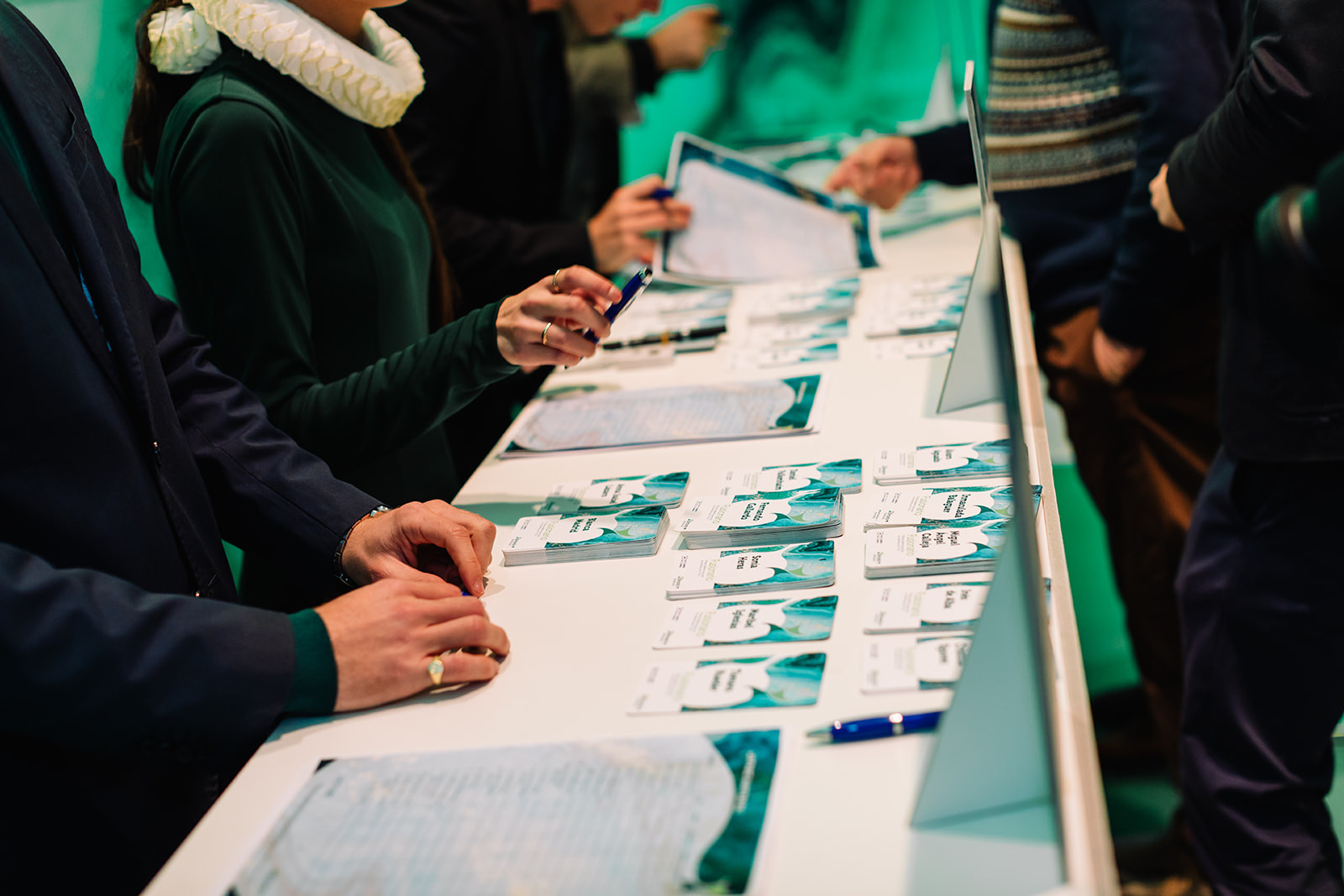
- Names for accreditation or the guest list, if the venue asks for them.
- A floor plan or a few phone photos of the room, if you have them.
2. The running order
Send the latest version, with times and rooms, and mark the moments that cannot be missed. Say who will send updates if the schedule changes, because it usually does. A running order from three weeks ago is one of the most common reasons a crew is in the wrong place.
3. People
- Speakers, presenters, winners and VIPs, with their role and a photo where possible.
- Names spelled exactly as they should appear in captions, including accents and diacritics.
- Who must appear together: the CEO with the main sponsor, the minister with the host.
- Anyone who should not be photographed, and how the crew will recognise them, for example by lanyard colour.
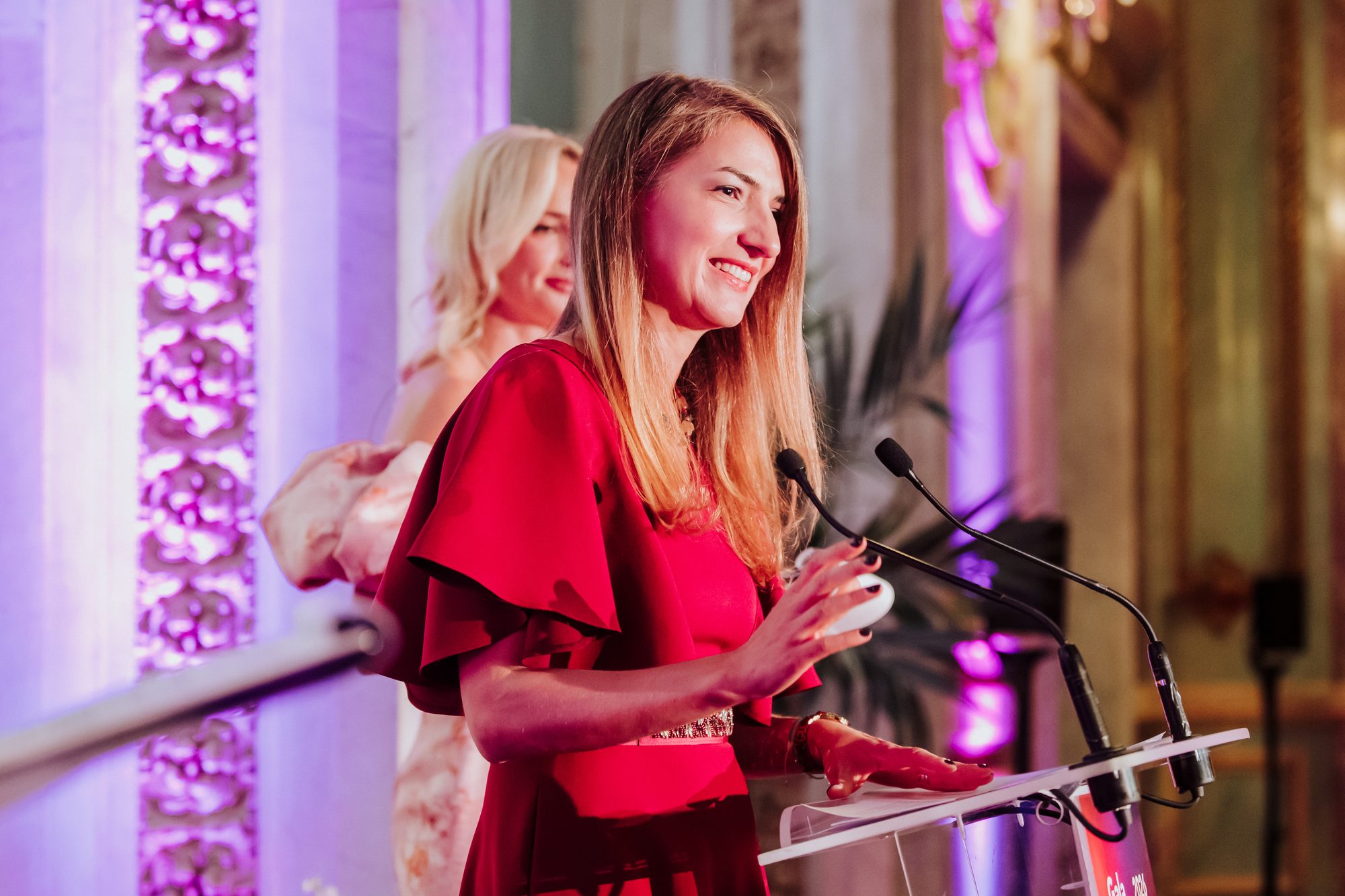
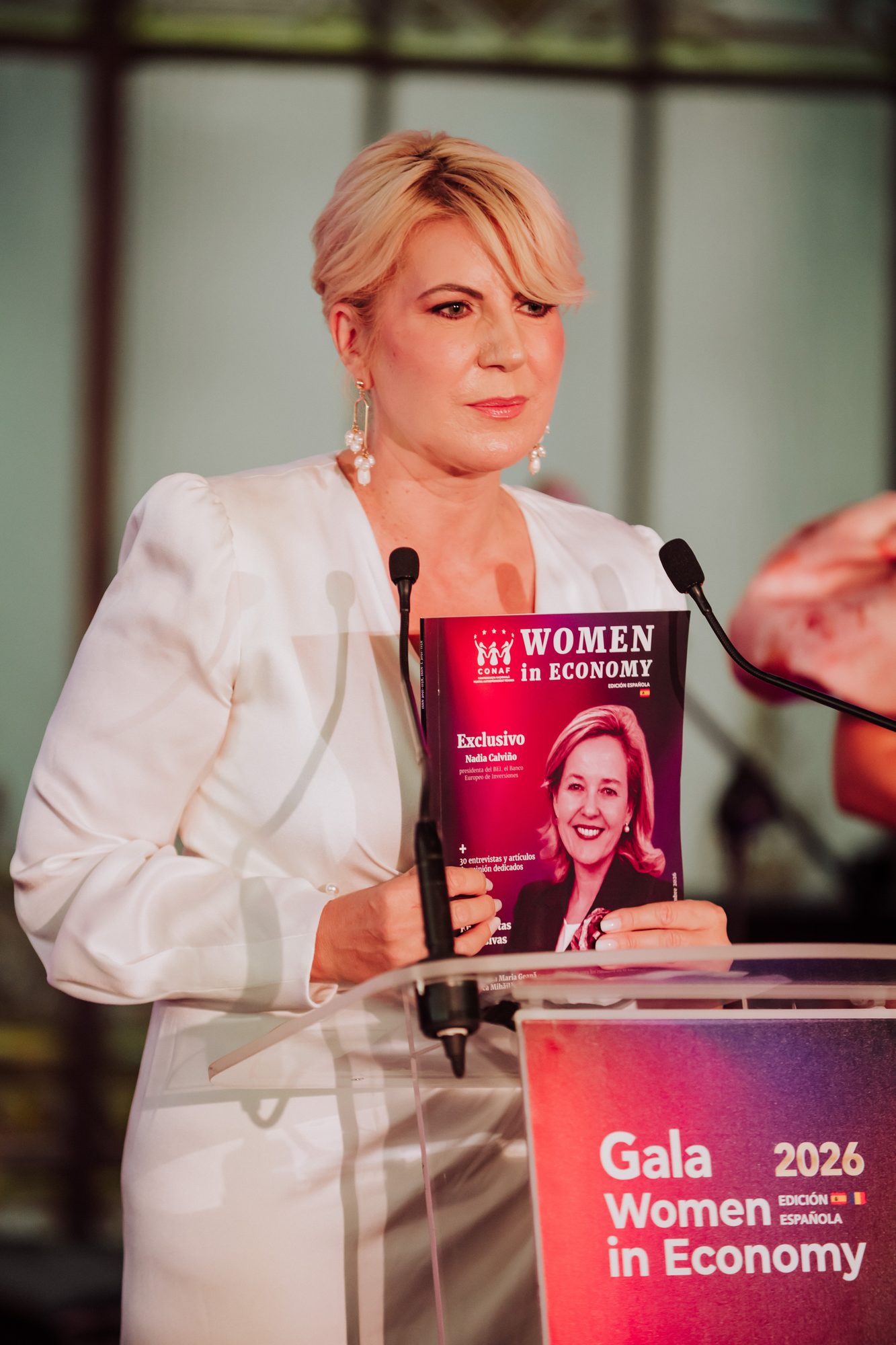
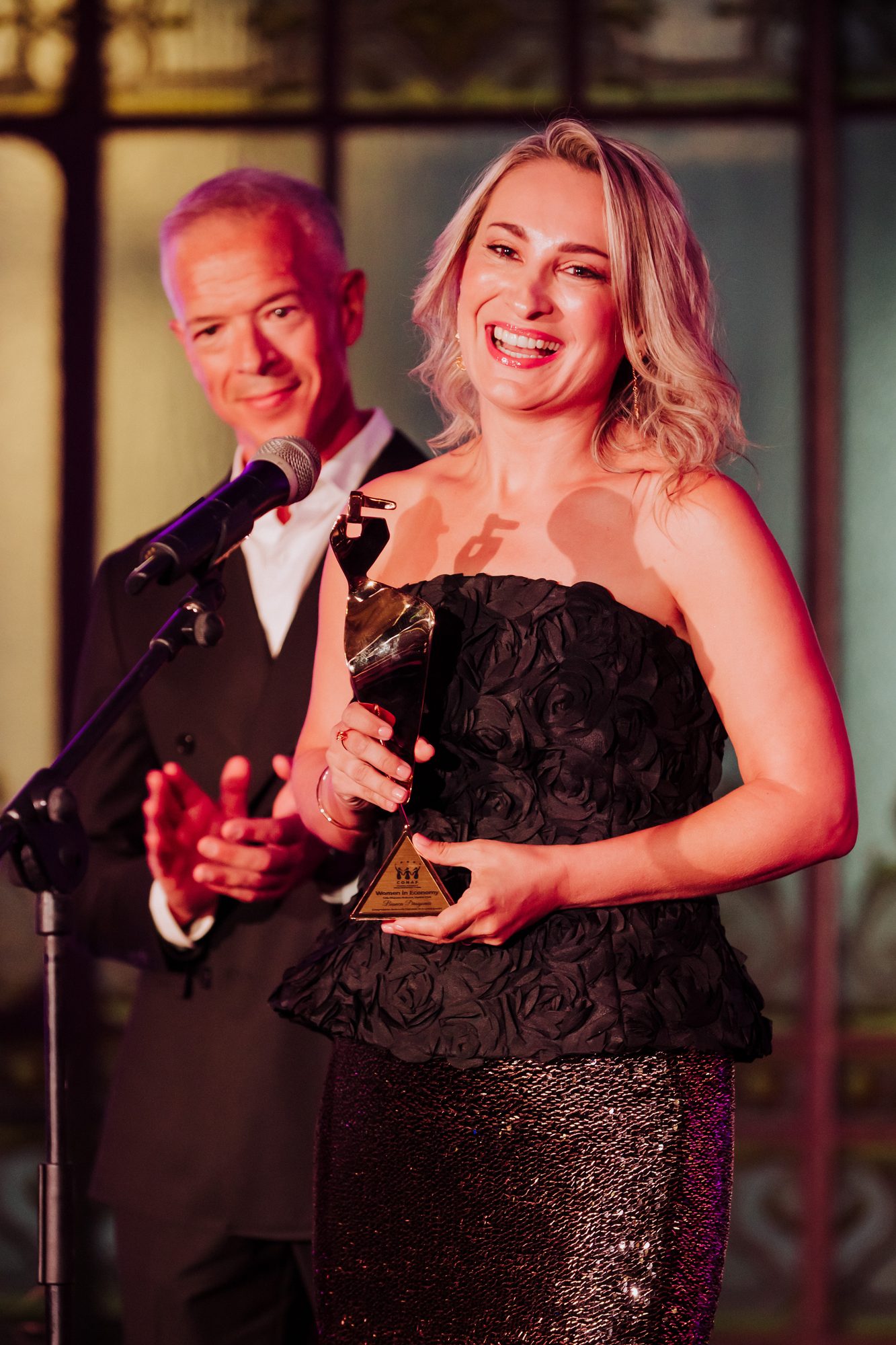
The people list is the single most useful document for a photographer, as we explained in our article on photographing a gala at the Real Casino de Madrid. Learning faces in advance is what puts the photographer in position before someone walks on stage.
4. Shot list: must-haves and nice-to-haves
Separate the two. A list of forty «essential» shots tells the crew nothing about priorities. Typical must-haves for a corporate event:
- Key speakers on stage, with the event branding visible.
- Award handovers and official photos.
- Sponsors’ logos, stands and activations, if sponsors will receive images.
- Group photos, with the time and place already in the schedule.
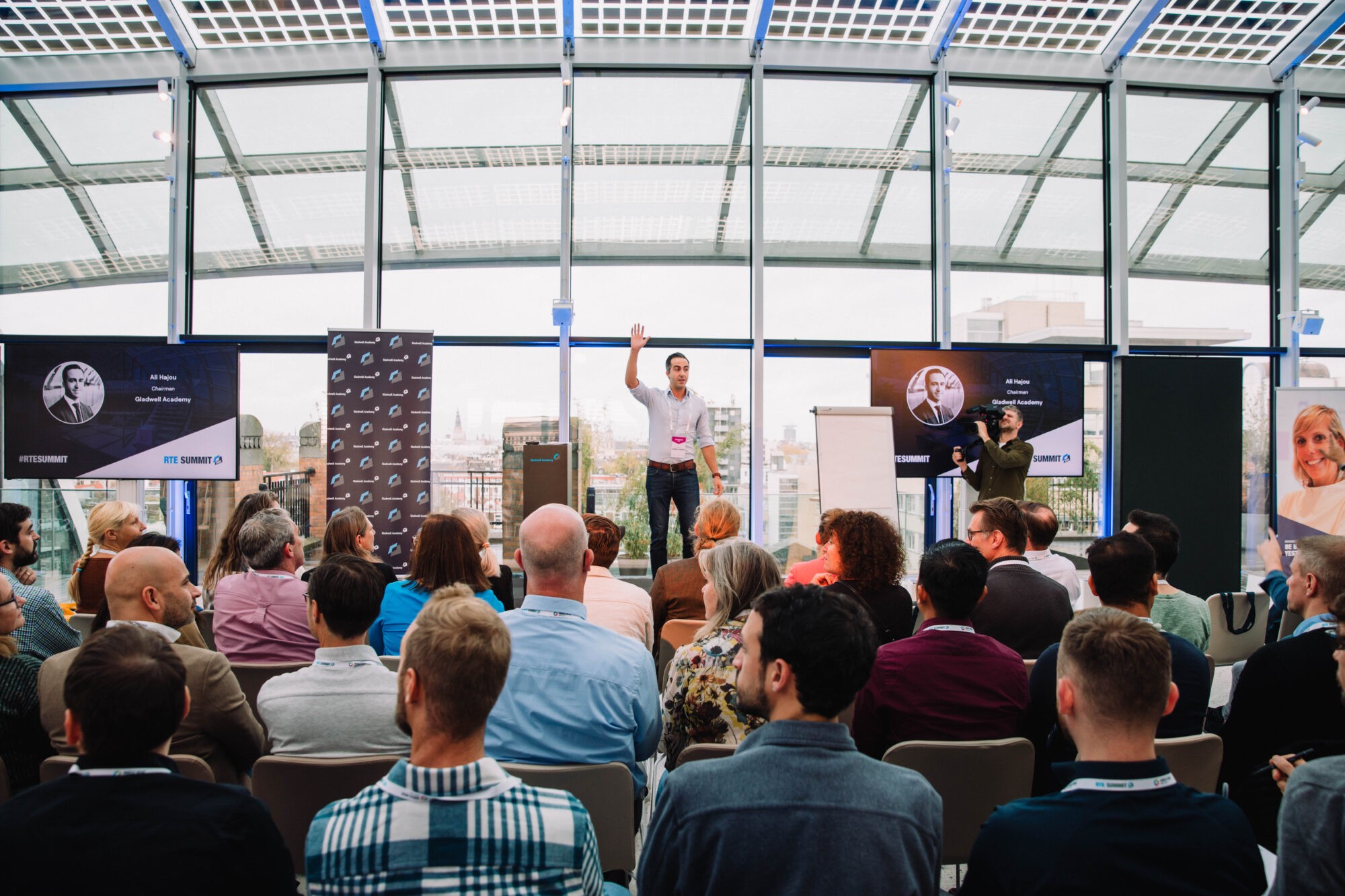
- Wide shots of the full room and the venue before guests arrive.
- Networking and audience reactions.
5. Video deliverables
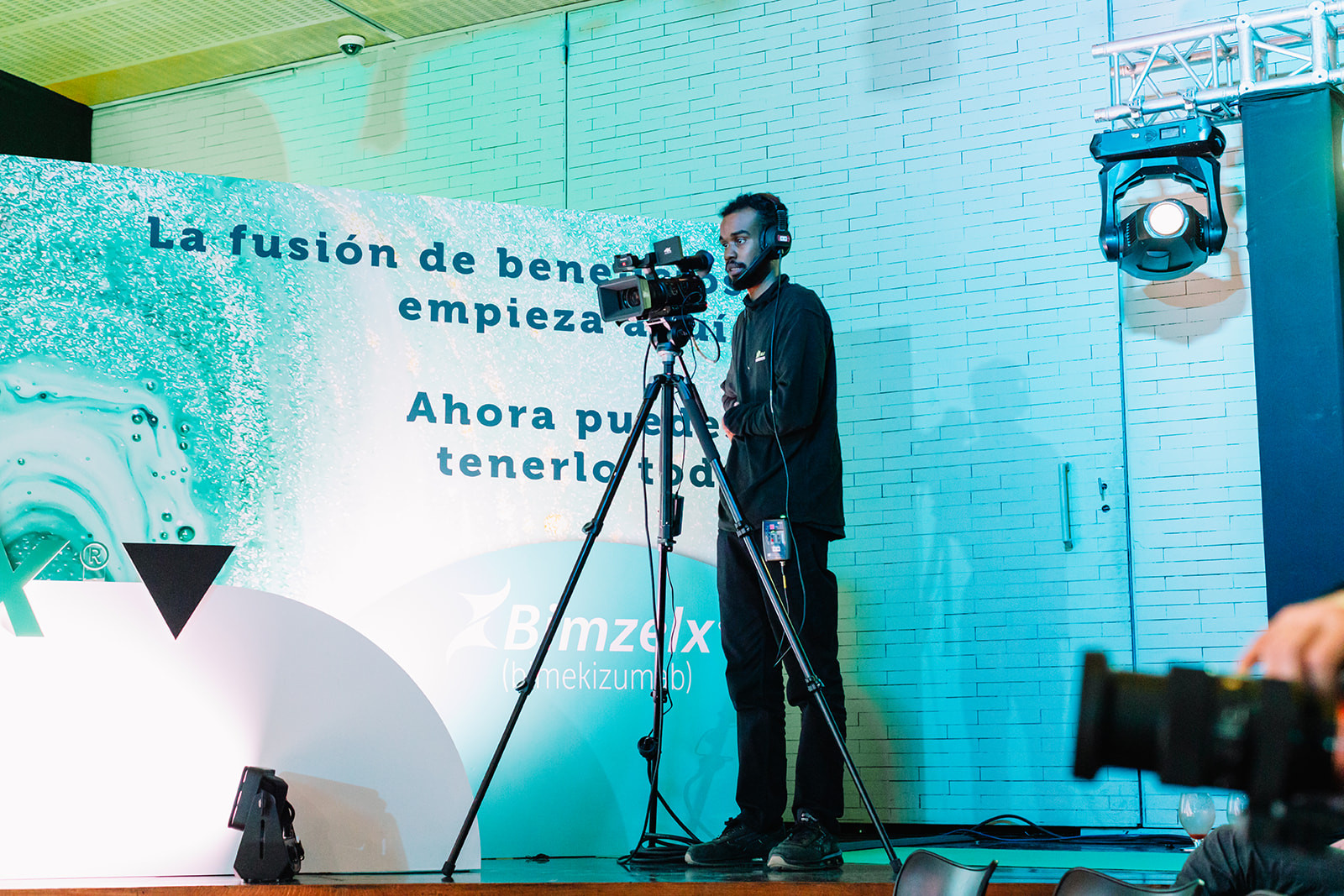
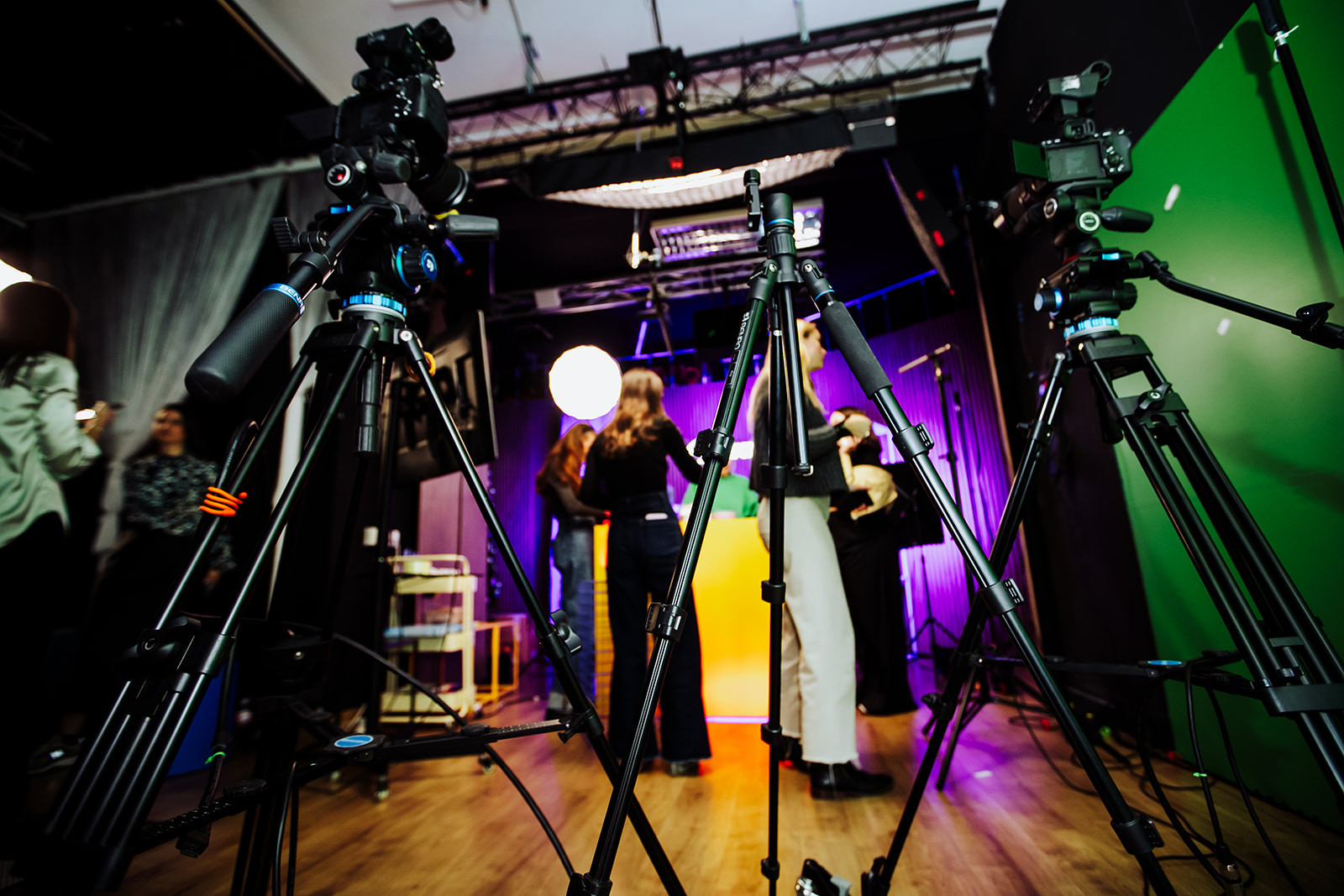
For video, the brief should describe the finished pieces, not only the filming. A highlight video, speaker interviews and vertical clips for social media each need a different setup.
- Which pieces you need, their approximate length and format (horizontal, vertical or both).
- Interviews: who, in which language, roughly which questions, and in which room. A quiet corner has to be agreed with the venue in advance.
- Whether sessions need to be recorded in full, and whether the crew takes sound from the venue’s audio desk.
- Music preferences, and any brand rules for titles and logos.
6. Brand and style
Send the client’s brand guidelines and, if possible, three or four images from previous editions that the client liked, and one or two they did not. Visual references save more time than a paragraph about «natural, elegant, corporate».
7. White-label rules
If the crew works under your agency’s name, say so clearly. Agree how they introduce themselves to the client, what they wear, whether any logo is allowed, and who answers if the client asks a question on site. Lupu Agency also works this way for agencies, and the rules are simple once they are written down.
8. Contacts on site
- Your on-site contact, with a mobile number that works on WhatsApp.
- The stage manager or production company contact, for lighting and stage access.
- The client contact, and whether the crew may speak to them directly.
A shared WhatsApp group for the day is usually enough. Long email threads are not read during an event.
9. Delivery
- Whether you need a first selection the same night or during the event, how many images and who approves them.
- The deadline for the full gallery and the final video.
- How files are delivered and who receives the link.
- Captions, credits and languages. Captions embedded in the files following the IPTC Photo Metadata Standard travel with each image, and Google can read the creator and credit fields when the photos are published online, as described in its image metadata documentation.
Run a short briefing call
A written brief does most of the work, but a video call in the days before the event catches what the document misses. Half an hour is usually enough if the brief has already been shared.
Use the call to walk through the running order, confirm the must-have images and talk about the room: stage lighting, LED screens and windows behind the stage all affect the result. If the production company can join for ten minutes, even better. After the call, send a short written recap with any changes, so the whole crew works from the same version.
Spain’s mainland runs on Central European Time, the same as Paris or Berlin, so for agencies in the UK, the Americas or Asia it helps to agree the call time and the on-site update times in Madrid time from the start.
What is easy to leave out
Most briefs cover the stage. The gaps tend to be elsewhere:
- The group photo slot. If it is not in the running order, it rarely happens once dinner has started.
- Award presenters. Winners are listed, but the people handing over the trophies are not.
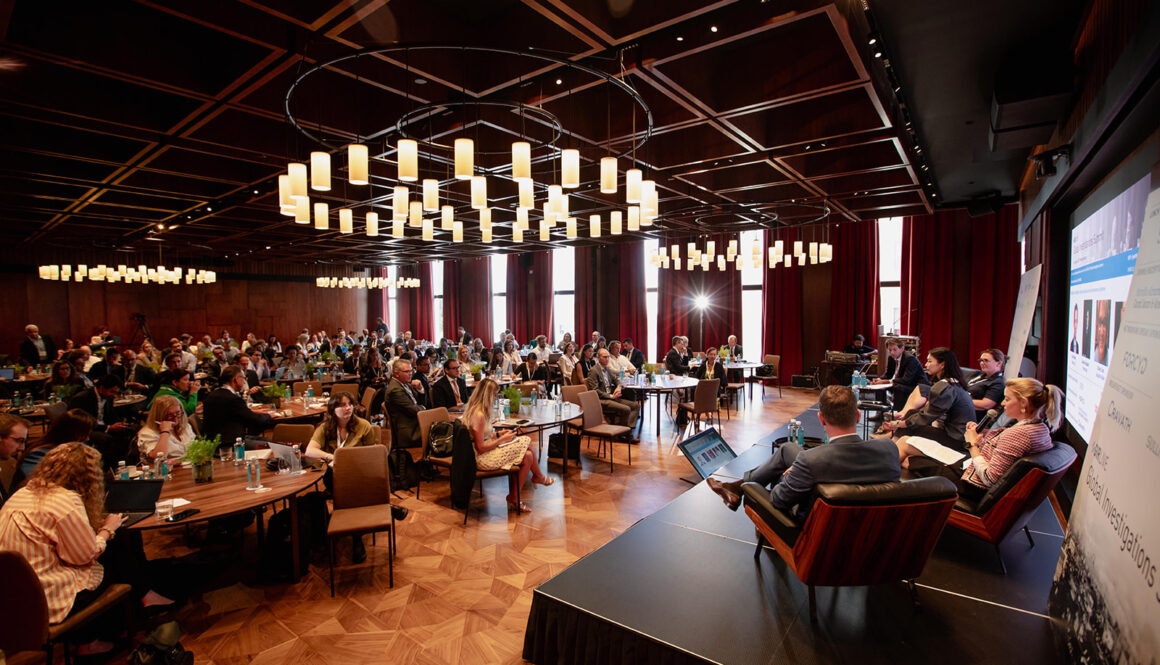
- Parallel activity. A photocall, an interview room or a sponsor area running at the same time as the main stage needs its own person. Crew size follows from this, as we explain in our guide to event photography budgets in Spain.
- Approvals. Who signs off the same-day selection, and how fast.
- The client’s own content team. If the client brings an in-house photographer or social media team, agree who covers what.
A short template you can copy
If you only have ten minutes, send this:
- Purpose of the images, and the five images that must exist.
- Venue, room, crew arrival time and entrance.
- Latest running order, with key moments marked.
- People list with photos and correct spellings.
- Video pieces needed and interview plan.
- Brand guidelines and visual references.
- White-label rules, if any, and dress code.
- On-site contact and decision-maker.
- Same-day selection, final deadline and caption languages.
For agencies working with the same crew in several countries, the same template keeps every city consistent. You can read more about that in our article on choosing a photo and video partner for multi-city European events.
Frequently asked questions about briefing an event crew remotely
When should we send the brief?
Send a first version when you book the crew, even if it is incomplete, and the final running order and people list as close to the event as you have them. An early draft lets the crew ask the right questions in time.
Do we need a briefing call if the written brief is complete?
It is still worth it. A short call is where the crew asks about the things nobody thought to write down, such as lighting, access or who approves images on the night.
What if we do not have a detailed brief?
An experienced crew can help you build one. Share what you have, the running order and the client’s goals, and the coverage plan can be defined together on a call.
Can the crew work under our agency’s name?
Yes. Lupu Agency works on a white-label basis for agencies, following your brief, your client’s brand guidelines and the rules you set for the day.
Can we brief you in English?
Yes. We work in English and Spanish, and also in Romanian and French. Briefings are done by video call, email and WhatsApp, and we meet your team on the day of the event.
Lupu Agency: event photography and video in Spain and across Europe
Lupu Agency is based in Madrid and works with event agencies, international companies and institutions across Spain and the rest of Europe. You can read more about our event photography and our video production for events.
To see recent work, view our photography portfolio and our video portfolio.
If you are planning an event in Spain and want to brief a local crew, send us your running order at contacto@lupu.agency or contact our team on WhatsApp: +34 633 902 333.
NICOLETA LUPU
Executive Director
contacto@lupu.agency
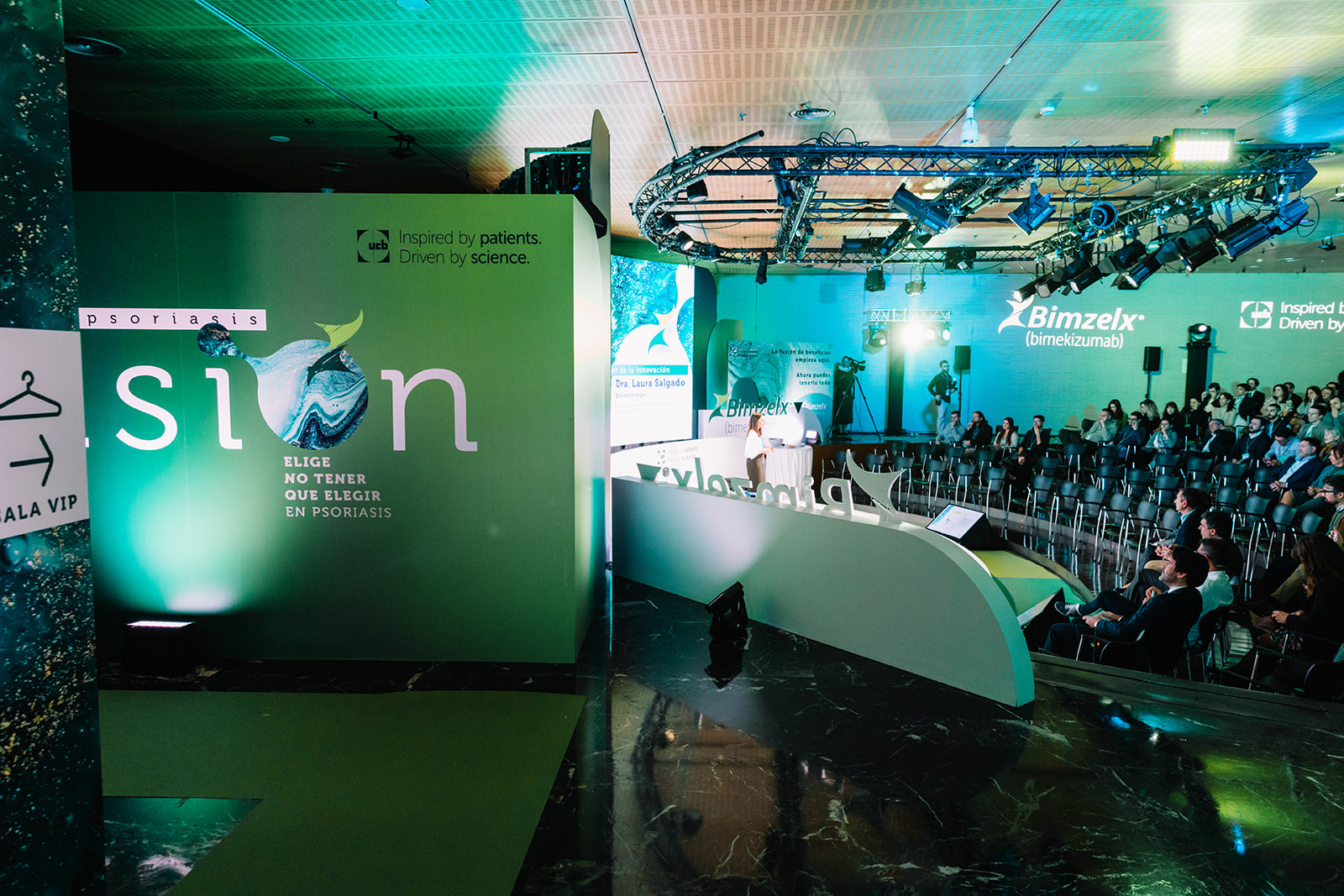
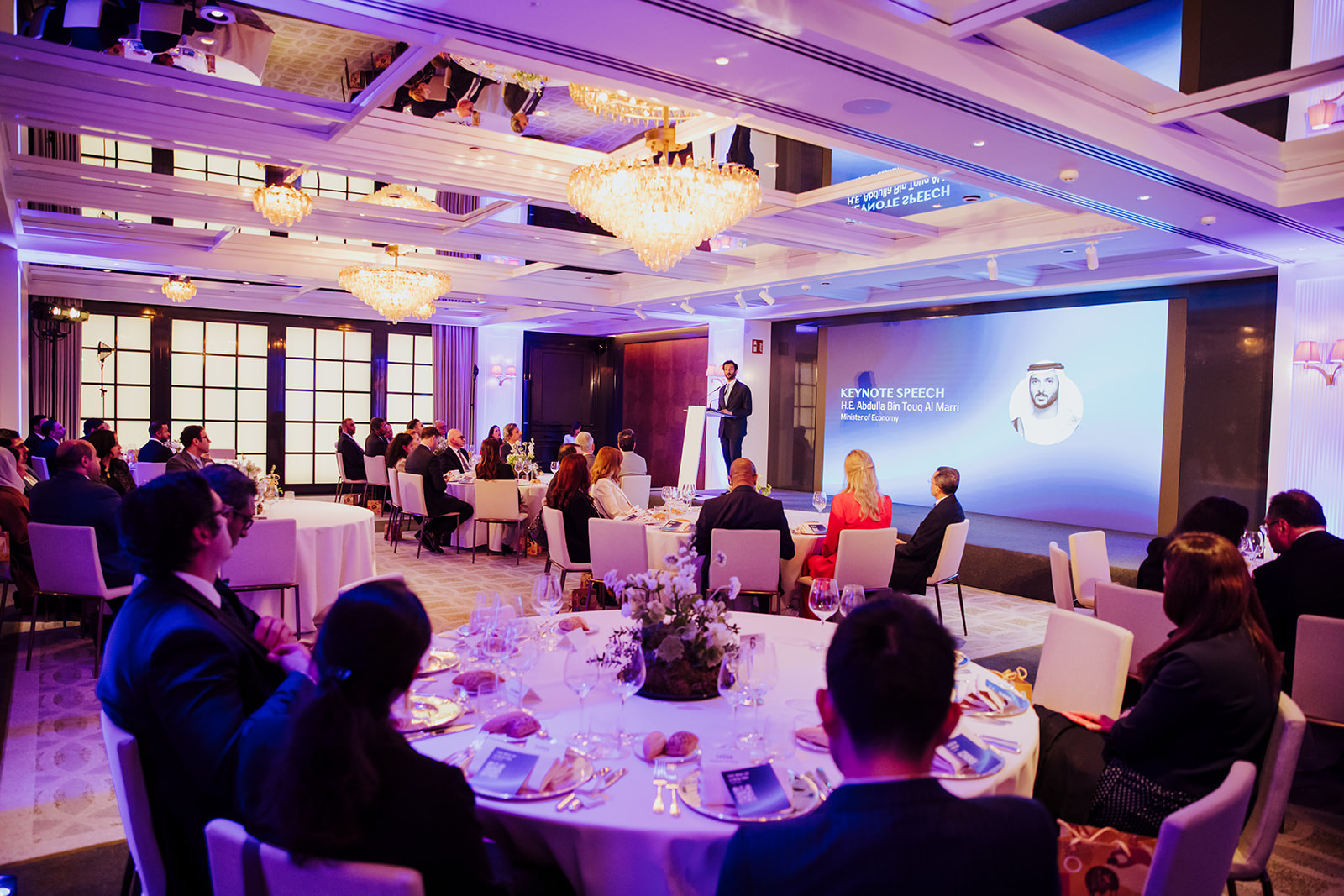
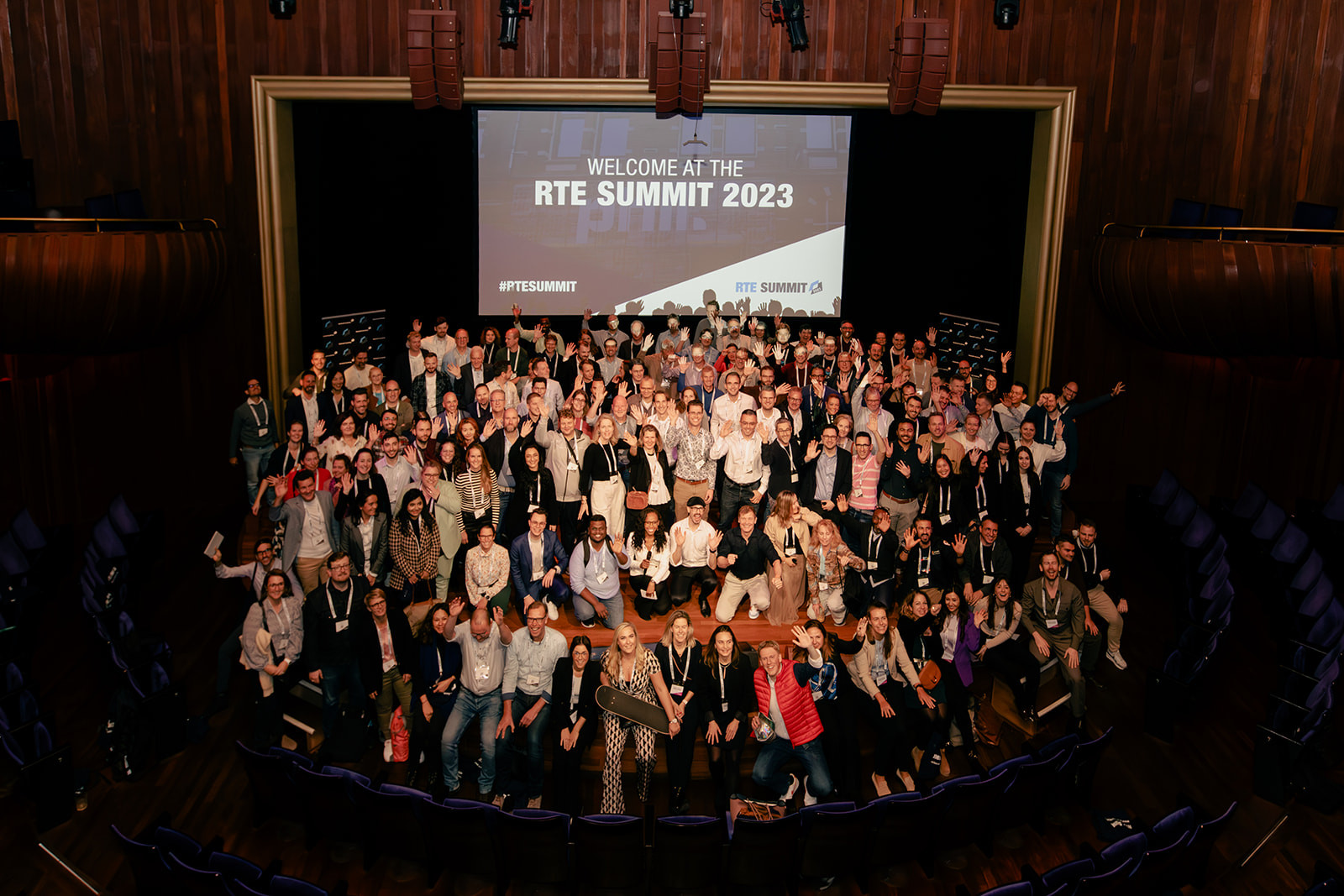
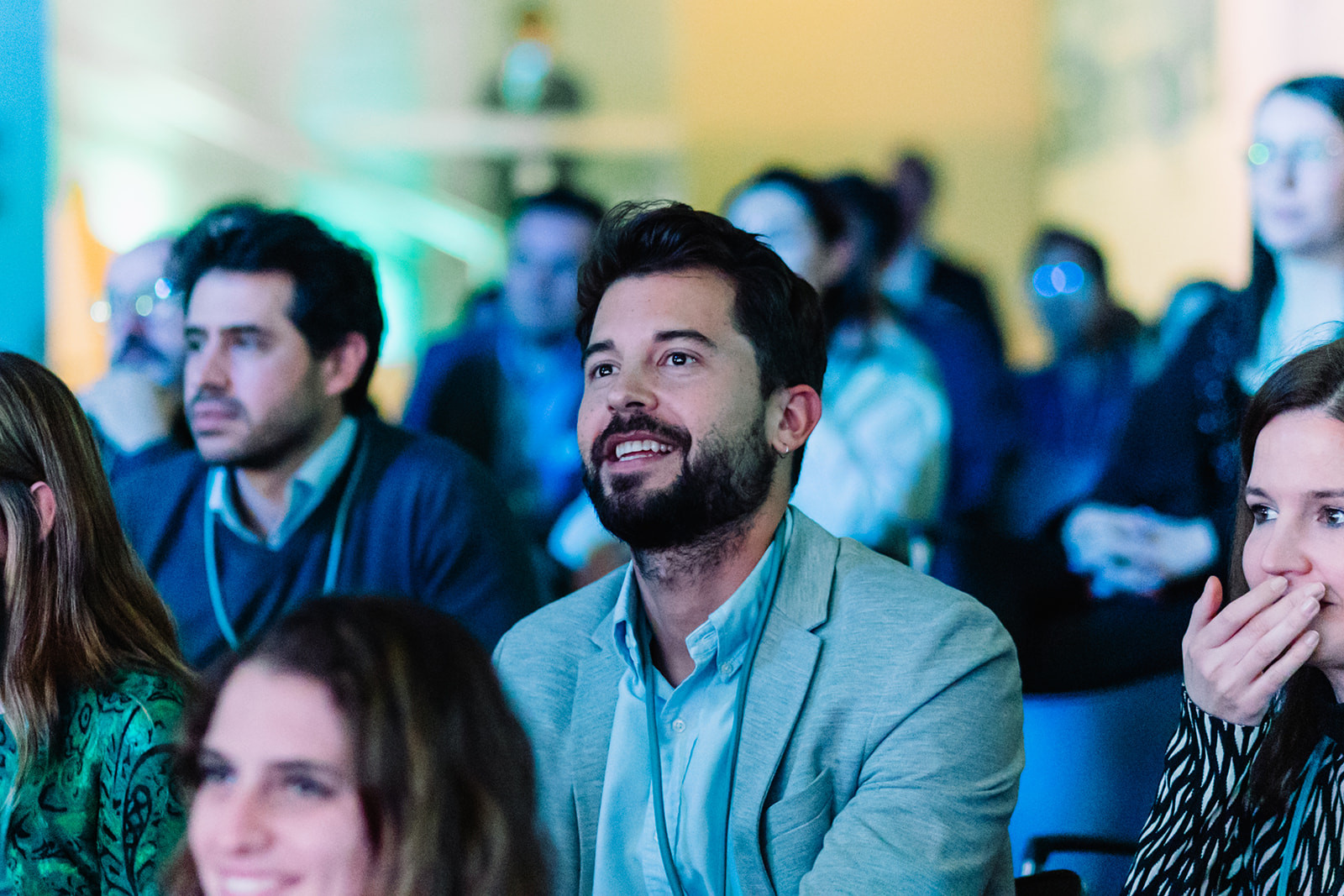



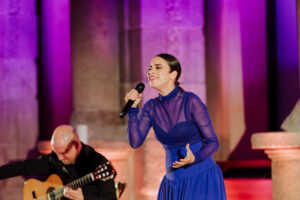
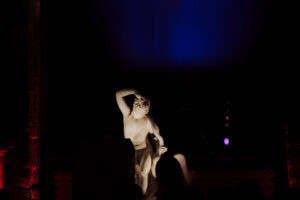
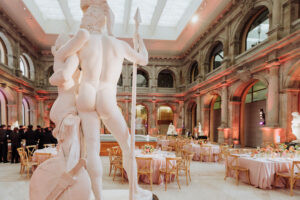
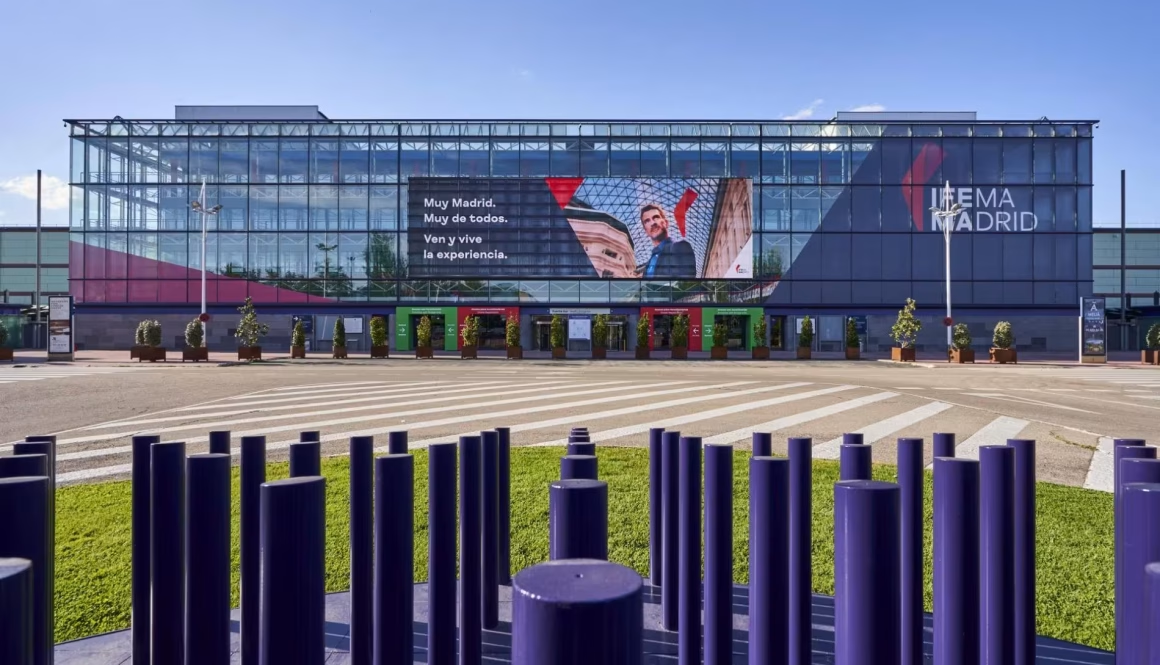




 Working with a production agency in Spain gives international clients access to something most markets can't offer: a country where centuries of history, exceptional natural light, and a highly skilled creative ecosystem coexist in the same place.
 Historical depth with contemporary relevance. Few countries can offer a UNESCO World Heritage site alongside a cutting-edge contemporary art museum within the same city. Madrid alone contains El Escorial, the Prado, and a rapidly evolving design and architecture scene. This range gives creative directors genuine flexibility - the ability to work across registers, from monumental and classical to minimal and modern.
 Local relationships are everything. Permits, access to private and institutional locations, coordination with local authorities - none of this works smoothly without established relationships on the ground. A local production partner is not a luxury. It is the difference between a smooth project and a costly delay.
 The most compelling reason to produce in Spain is not logistical. It is conceptual. Spain carries meaning. Its landscapes, its architecture, its light - all of it communicates something that cannot be built on a set or generated digitally.
 EN
 ES