
Congress Photography in Spain: A Day-by-Day Shot List for Multi-Day Congresses
A multi-day congress is not one event. It is a dozen smaller ones running back to back: registration, an opening ceremony, plenaries, parallel sessions, posters, an exhibition, coffee breaks, a welcome reception and a gala dinner. Good congress photography starts from that fact. The photographers need a plan for every one of those moments, and the person who usually writes that plan is the OPC or the agency running the congress.
This article is for professional congress organisers, associations and event agencies preparing a congress or a multi-day conference in Spain. It offers a shot list organised day by day, and the planning questions behind it, so the coverage serves the society, the sponsors and next year’s edition.
Why a congress needs a different plan from a one-day event
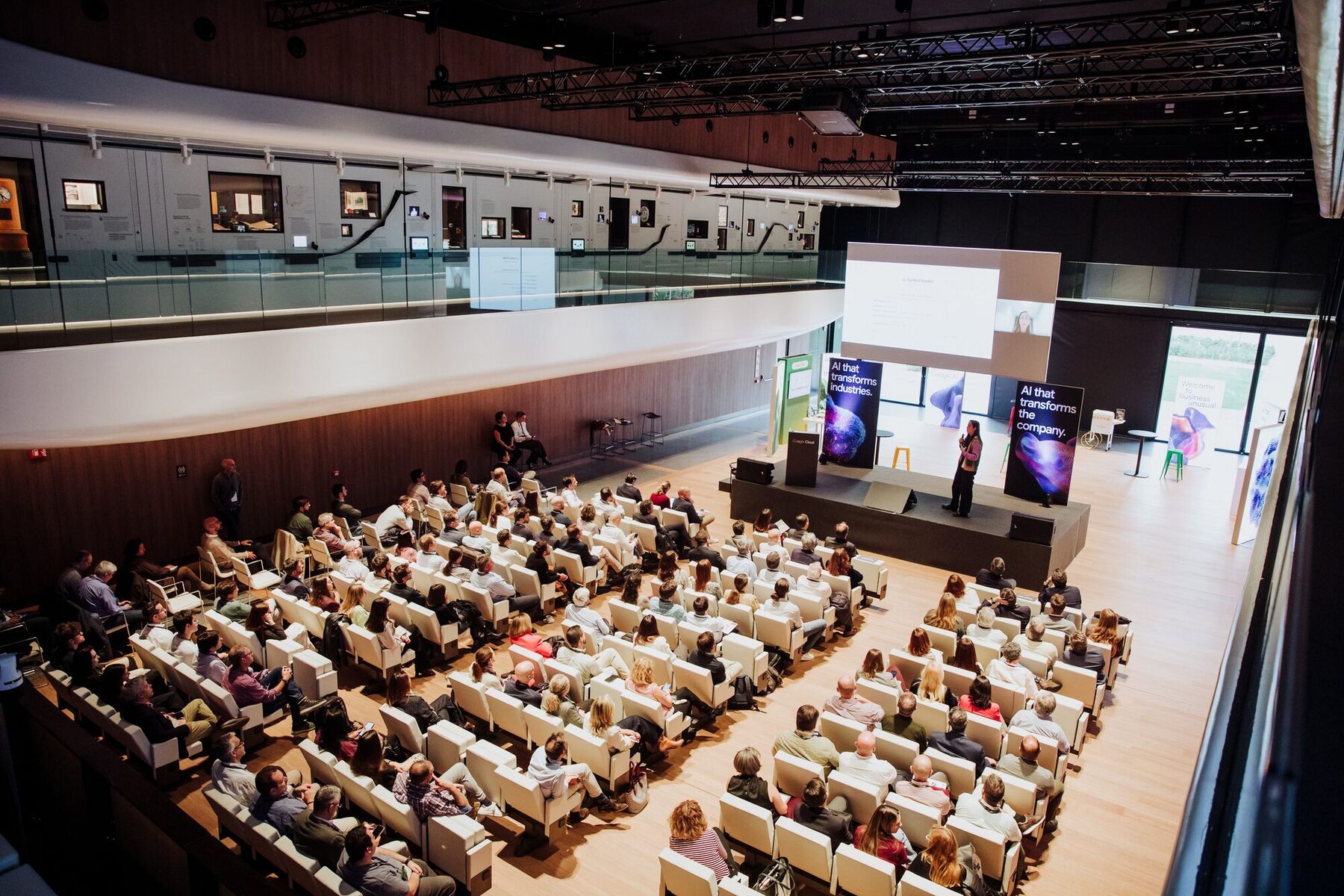
At a gala, almost everything important happens on one stage in four hours. At a congress, the important moments are spread across several rooms and several days, and many of them happen at the same time.
That changes three things:
- Priorities have to be written down. With four sessions running in parallel, the crew cannot be everywhere. Someone has to decide which rooms and which speakers come first.
- The crew changes from day to day. The opening day usually needs the most people. A quieter second morning may need one photographer.
- Images are needed during the congress, not only after it. Daily newsletters, the congress app, social media and sponsor updates all ask for photos the same evening.
Spain sees a lot of this kind of event. In ICCA’s rankings of international association meetings for 2025, Spain was fourth among countries, Barcelona third among cities and Madrid thirteenth, according to Skift Meetings and other trade press reporting on the figures from ICCA. Many of those congresses are planned from abroad, with a local crew hired for the photo and video.
Who will use the photos
Before building the shot list, it helps to list who will receive the images. At most congresses, it is some combination of these:
- The association or scientific society, for its website, members’ newsletter and annual report.
- Sponsors and exhibitors, who want proof of visitors at their stand and attendance at their sessions.
- The press office, which needs speaker photos and opening ceremony images quickly.
- Speakers and award winners, who share their photos on LinkedIn.
- The OPC or agency itself, for the final report and for bidding on future congresses.
Each of these audiences needs different pictures. A sponsor does not care about the plenary hall from the back. The society’s president does not care about stand 42. The shot list has to cover both.
A day-by-day congress photography shot list
Every programme is different, but most multi-day congresses follow the same pattern. Use this as a starting point and adapt it to your running order.
Set-up day or the morning before doors open
- The venue exterior and main entrance, with congress branding.
- The plenary hall and main session rooms, empty and lit.
- The registration area, ready and tidy.
- The exhibition hall once stands are finished, before visitors arrive.
- Signage, banners and sponsor walls.
These images are easy to forget and impossible to take once 2,000 people are in the building. They are also the ones the organiser uses most when presenting the next edition.
Day one: registration and opening
- Attendees arriving and collecting badges, ideally at the busiest moment.
- The opening ceremony: the president, the organising committee, local authorities and any institutional guests, each with clean images at the lectern.
- The first keynote, with the congress branding or the session title visible on screen.
- Wide shots of the full plenary hall from the stage and from the back.
- Official group photos of the committee and board. Put the time and place in the running order, or they will not happen.
Plenaries and parallel sessions
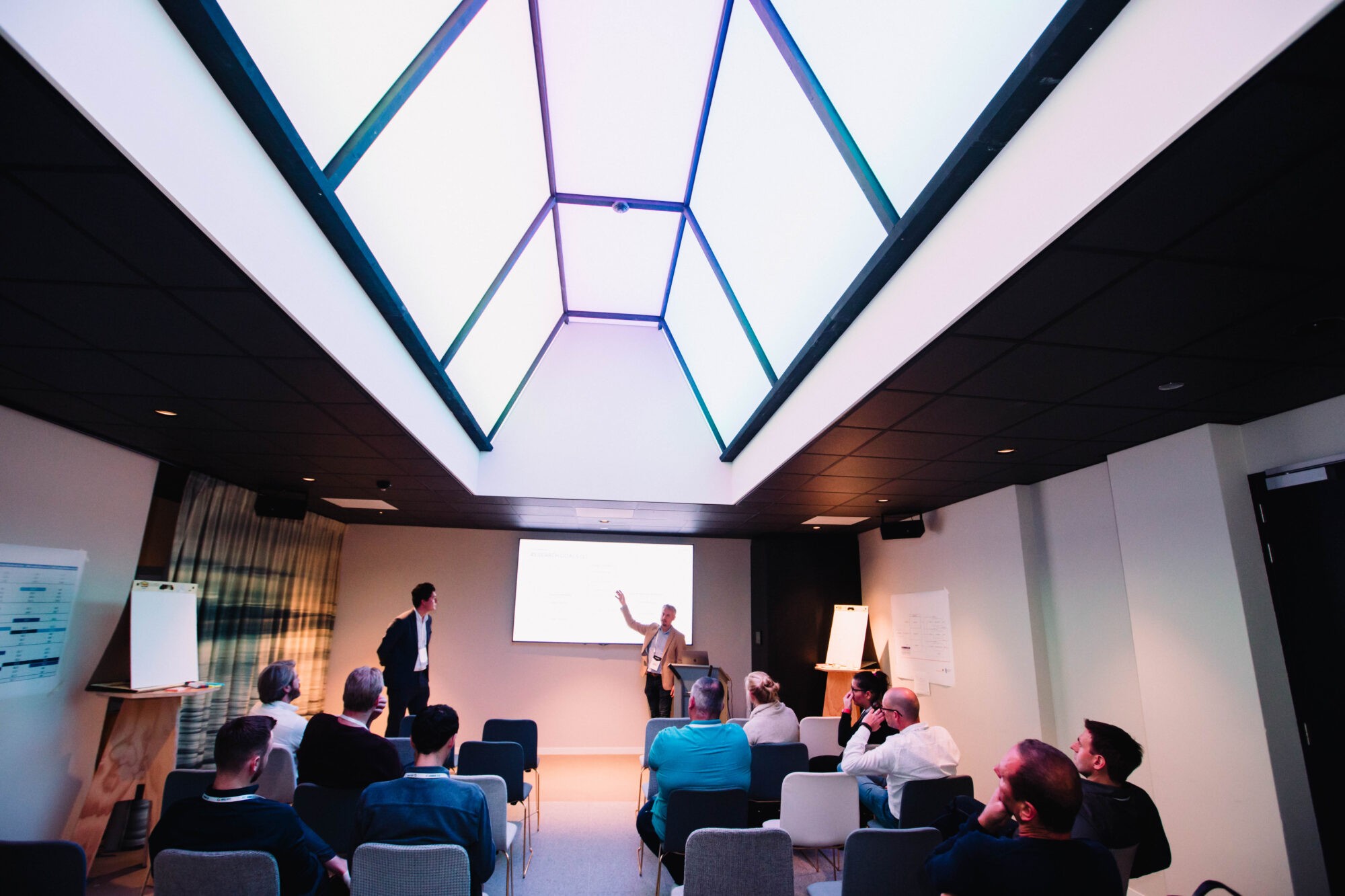
This is where priorities matter most. Send the crew a list of the speakers and sessions that must be covered, with photos and correct spellings, and mark which ones can be skipped if two run at the same time. For each priority session, the usual set is:
- The speaker at the lectern, from an angle that shows the slide or the room.
- The chair or moderator, and the panel if there is one.
- Questions from the floor, with the person at the microphone.
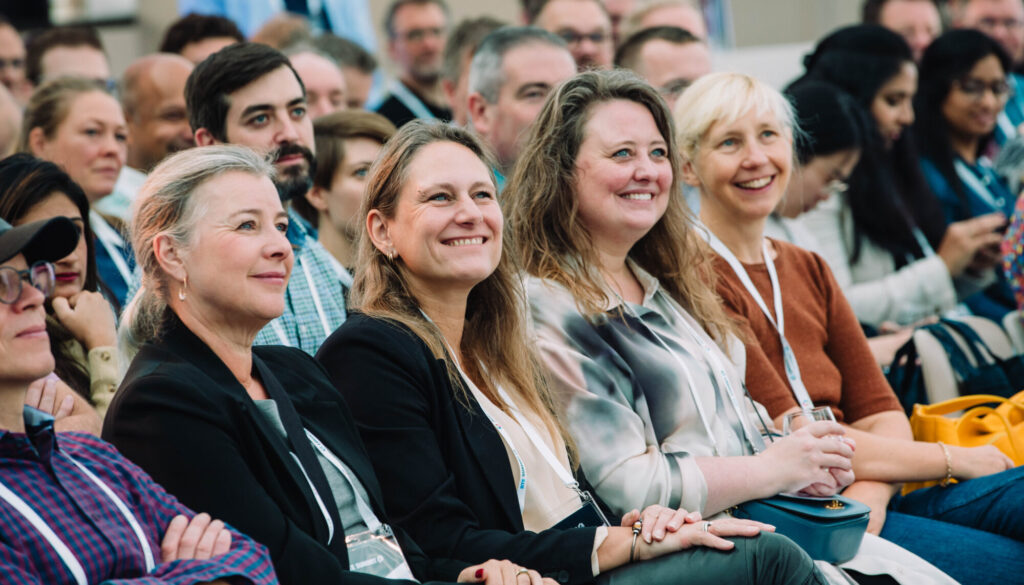
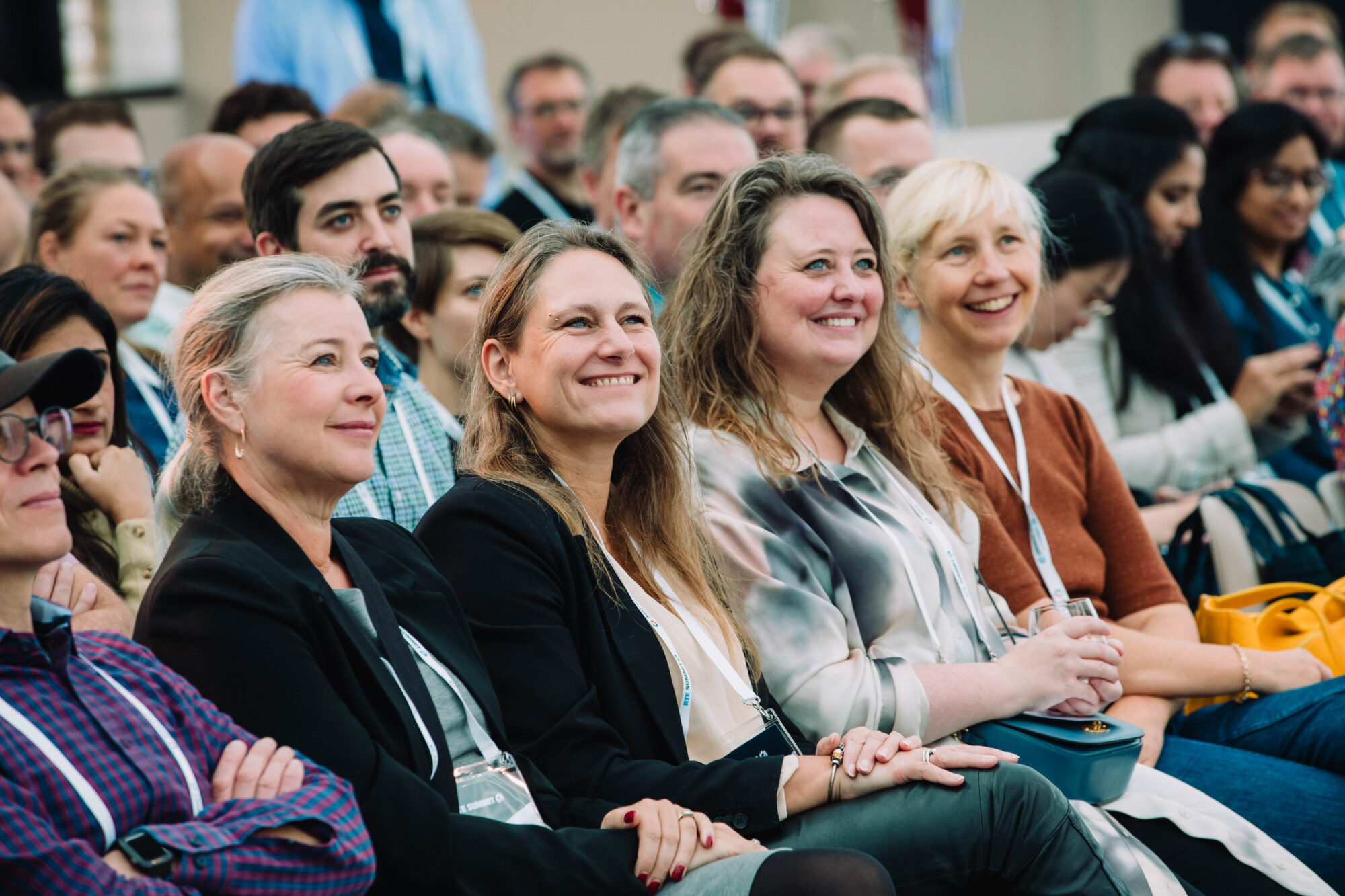
- The audience listening and taking notes.
- The room sign or screen showing the session title, so the images can be sorted later.
Posters and scientific content
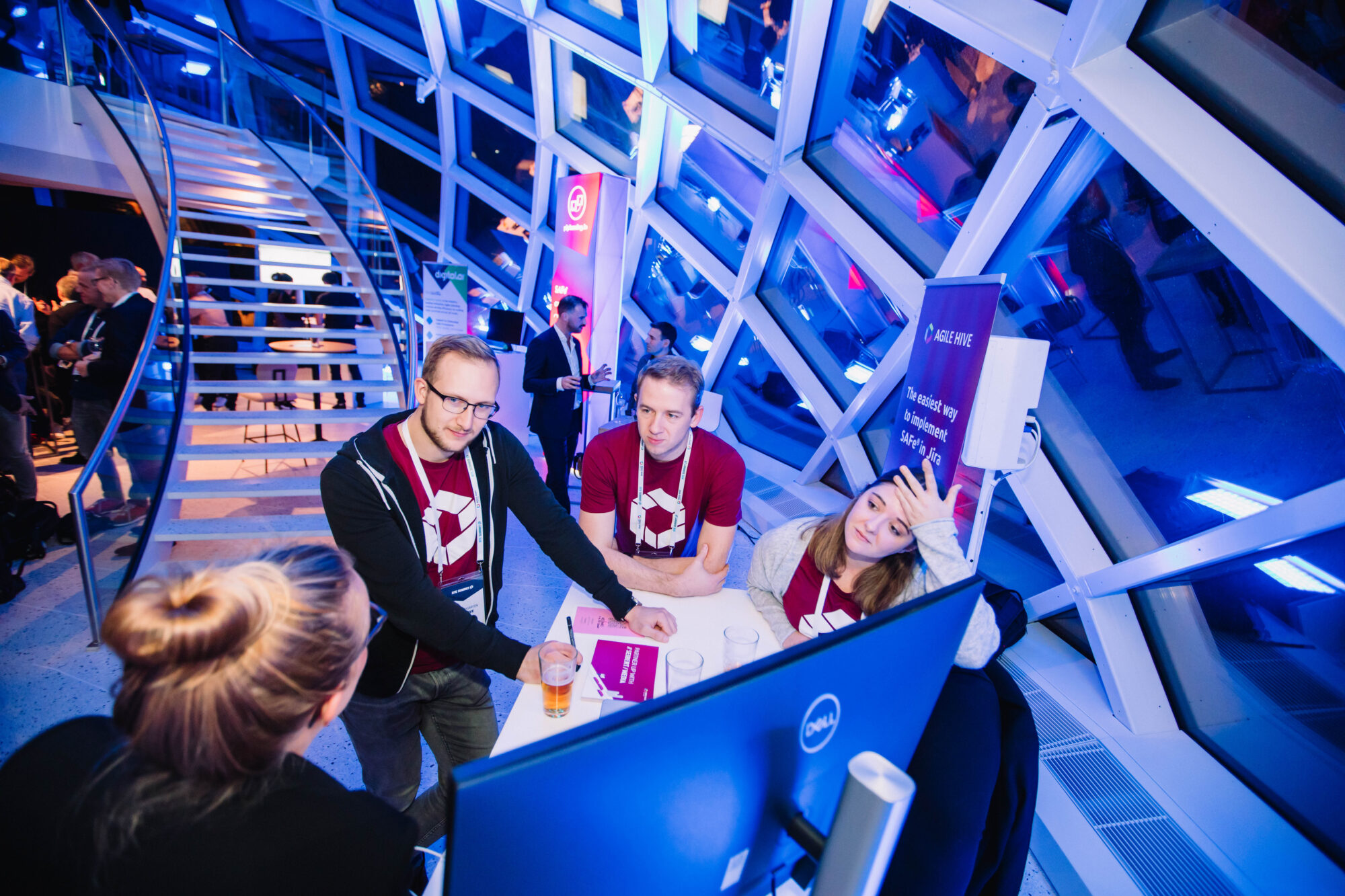
Poster sessions give some of the most natural images of a congress: presenters explaining their work, small groups discussing, people taking notes. Check the congress media policy first. Many medical and scientific congresses restrict photographing slides and posters, and the crew should know which areas or content are off limits before the doors open.
Exhibition and sponsors
- Each sponsor’s stand with visitors, not empty. Send the crew the sponsor list with stand numbers and the level of each package.
- Sponsored symposia and satellite sessions, with the sponsor’s branding visible.
- Coffee breaks and lunches in the exhibition area, which is usually when the stands are busiest.
- Product demonstrations or activations, if any.

If sponsors are promised photos in their package, plan specific time slots for them. Leaving it to «whenever the photographer passes by» is how a top-tier sponsor ends up with two pictures.
The social programme
- The welcome reception: guests arriving, conversations, the venue.
- The gala dinner: the room before guests sit down, speeches, awards and tables.
- Any cultural activity or offsite visit included in the programme.
When the gala dinner is in a different venue, add travel time for the crew to the schedule. A photographer who leaves the last session at 19:00 cannot be ready at a dinner across the city at 19:15.
Last day and closing ceremony
- Awards for best paper, best poster or young researchers, with the handover and the official photo.
- Closing speeches and the announcement or presentation of the next host city.
- A final group photo of the organising committee, staff and volunteers, if you want one.
Planning the crew across several days

Crew size should follow the programme, day by day. Look at each day and count how many places need covering at the same time: the plenary hall, parallel rooms that are on the priority list, the exhibition, a photocall or interview corner. That number, not the number of attendees, tells you how many photographers you need that day. We explain how this affects the budget in our guide to event photography budgets in Spain.
Two other points are worth agreeing early:
- Keep the same lead photographer every day. They learn the venue, the committee’s faces and the running order on day one, and that knowledge pays off for the rest of the congress.
- Separate session recording from event video. Full recordings of every session are often handled by the AV company or the streaming provider. The photo and video crew usually produces a daily recap clip, interviews and a final aftermovie. Decide who does what, so nothing is filmed twice and nothing is missed.
Delivering images while the congress is still running
At a multi-day congress, a gallery that arrives a week later misses half its value. A daily routine works better:
- An evening selection each day, ready for the next morning’s newsletter, the app and social media.
- Quick images of the opening ceremony for the press office, sent as soon as possible after it ends.
- Sponsor folders, sorted by company, so the sponsorship team can send images without searching through thousands of files.
- The full gallery after the congress, organised by day and session, with names in the captions.
Agree in advance who receives the daily selection and who approves it. If the society and the OPC both want to approve images, decide which one has the final word.
What is easy to miss
- The empty venue. No one remembers it until they need it for next year’s proposal.
- Award presenters and chairs. Speakers are on the list, but the people introducing them often are not.
- The volunteers and staff. A photo of the team behind the congress is often the one the organiser keeps.
- Faculty portraits. Many speakers need an updated headshot. A small portrait corner, similar to a LinkedIn headshot area, gives them a reason to remember the congress.
- The handover to the next host city. It happens once, usually at the very end, when the crew is tired.
Most of these gaps disappear with a good brief. Our checklist for briefing a local photo and video crew remotely covers the people list, the running order and delivery in more detail.
Frequently asked questions about congress photography in Spain
How many photographers does a multi-day congress need?
It depends on how many things happen at the same time, not on the number of attendees. A single-track conference can often be covered by one photographer per day. A congress with parallel sessions, an exhibition and a social programme usually needs more on the busiest days, and fewer on the quieter ones.
Can we get photos every evening during the congress?
Yes, if it is planned. A daily selection each evening is a common setup for congresses, with the full gallery delivered after the event.
Can you photograph the sponsors’ stands separately?
Yes. Send us the sponsor list with stand numbers and what each package includes, and we plan time slots for each stand and deliver the images sorted by sponsor.
Do you also film congresses?
Yes. We produce recap videos, daily clips, interviews with speakers and an aftermovie. If full session recordings are needed, we agree with you and the venue’s AV provider who records what.
Do you work outside Madrid?
Yes. We are based in Madrid and London and cover congresses and conferences across Europe. We work in English and Spanish, and also in Romanian and French.
Lupu Agency: event photography and video in Spain and across Europe
Lupu Agency is based in Madrid and London and works with OPCs, associations, event agencies and international companies across Europe, under our own name or on a white-label basis. You can read more about our event photography and our video production for events.
To see recent work, view our photography portfolio and our video portfolio.
If you are organising a congress or a multi-day conference in Spain, send us the programme at contacto@lupu.agency or contact our team on WhatsApp: +34 633 902 333.
NICOLETA LUPU
Executive Director
contacto@lupu.agency
 EN
 ES
Event Photography Budget in Spain: What Drives the Cost
04/11/2026 @ 18:20
[…] from 18:00 to 22:00 is a very different job from a two-day congress with parallel sessions (our day-by-day congress photography shot list shows how coverage changes from one day to the next). Hours are usually booked as full blocks, so a […]